The average adult should get about 7 to 8 hours of sleep each night. One thing that can get in the way of your nightly sleep quota is allergies.
How Allergies Affect Sleep
When your body encounters an allergen it’s sensitive to, your immune system releases a chemical called histamine. That histamine causes your allergic symptoms, including but not limited to:
- Sneezing
- Congestion
- Coughing
- Hives
- Red or watery eyes
- Bruise-like dark circles under the eyes
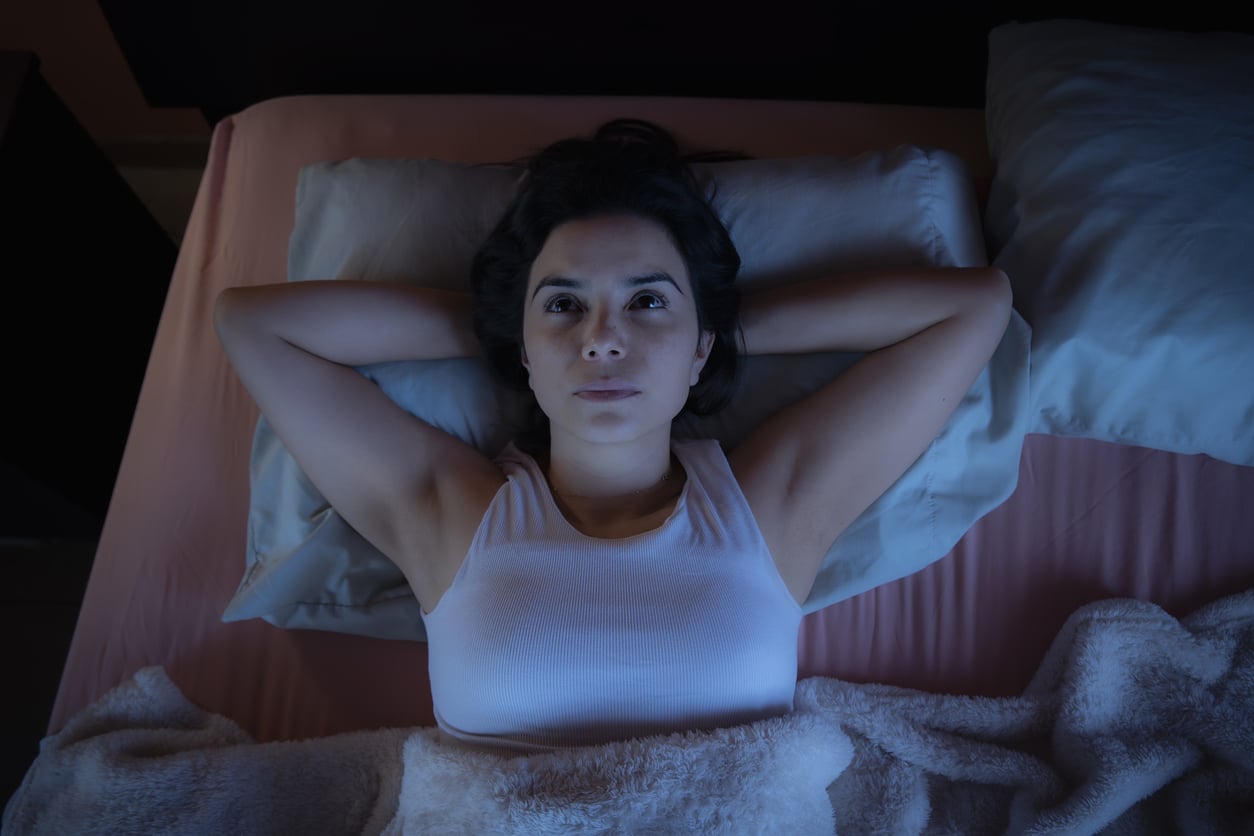
All of those uncomfortable symptoms, particularly congestion and itchy hives, can make it difficult to fall or stay asleep. If you have sleep apnea, the restricted airflow from congestion can further disrupt sleep.
Managing Your Allergies for a Good Night’s Rest
There are a few tips you can use to get a better night’s rest:
- Limit allergens in the bedroom. You can’t keep flowers, grasses and trees from releasing pollen around Loveland, but you can control the number of allergens in your bedroom. Control indoor allergens by sweeping and vacuuming your bedroom, washing your bedding and keeping all pets out of the room. Closing your windows and relying on a fan for airflow will help keep pollen out.
- Use an antihistamine cream. If hives are making it difficult to get comfortable, apply an antihistamine cream about half an hour before bed to calm the reaction.
- Take a decongestant. Taking a decongestant about half an hour before bed will reduce your congestion and hopefully help you fall asleep. Don’t take decongestant sprays for more than a few days in a row to avoid rebound congestion.[1]
- Take a shower. Showering before bed will ensure you aren’t bringing excess allergens into bed with you.
- Create a relaxing sleeping environment. When allergies are threatening to keep you up at night, it helps to control all the other factors that could disrupt your sleep; your phone, the temperature, stress. About an hour before bed, set the room to a comfortable temperature, put away your phone and start winding down with a good book or other relaxing activity.
In addition to managing your symptoms at night, reach out to Alpine Ear Nose & Throat PC to discuss long-term symptom relief options with one of our specialists.
[1] Cleveland Clinic. (n.d.). Rhinitis medicamentosa: How long it lasts & treatment options. Cleveland Clinic. https://my.clevelandclinic.org/health/diseases/23393-rhinitis-medicamentosa