Many of us have heard or said the phrase “I’m not crying, it’s just allergies.” Well, for up to 40% of the population[1], that’s true. Allergic conjunctivitis, or eye allergies, can leave you with red, watery eyes that appear as if you just watched the ending to a sappy movie.
Let’s look at some causes of eye allergies and how you can stop the tears before they arrive.
Causes of Eye Allergies
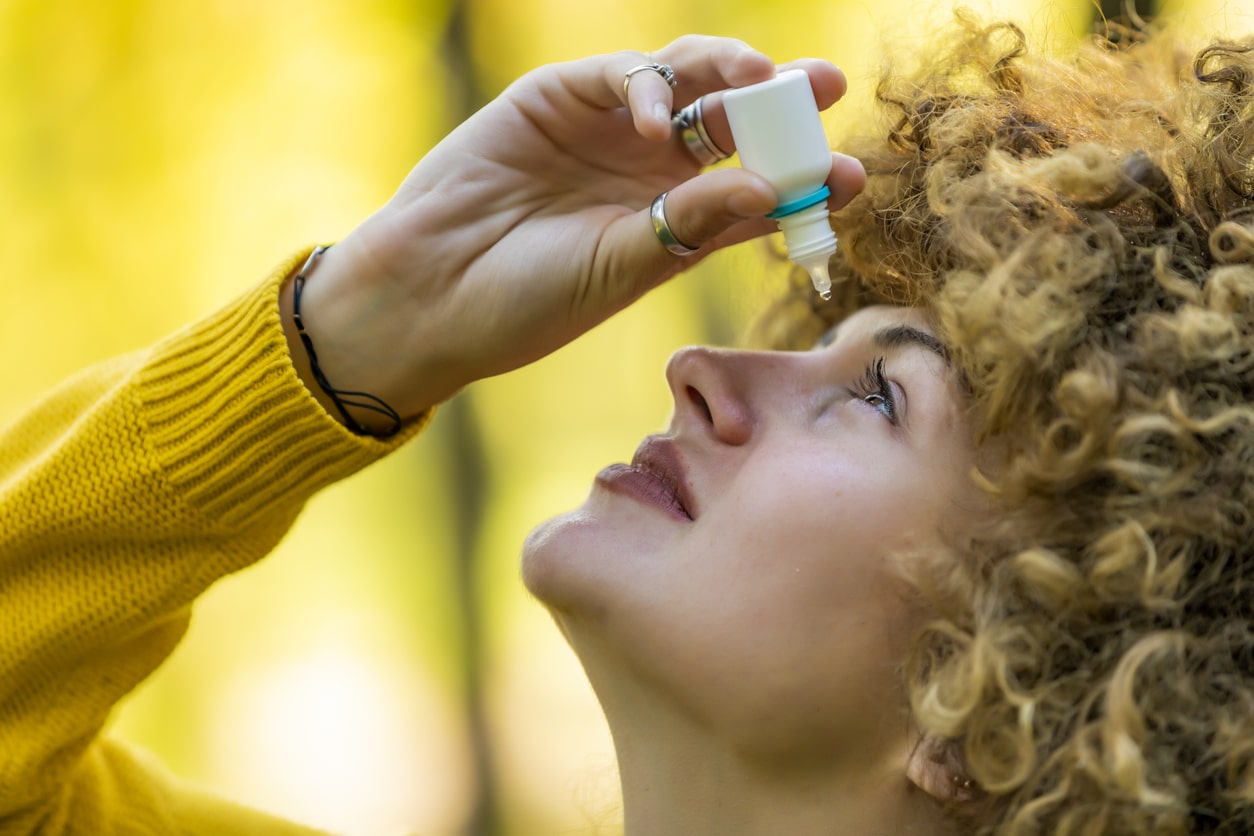
Airborne allergens are the most likely cause of eye allergy symptoms. A few examples include:
- Tree, grass or weed pollen
- Pet dander
- Mold spores
- Dust mites
In addition to the red, watery eyes, exposure to these substances can cause a burning sensation in one or both eyes, swollen eyelids, a bruised appearance around the eyes (called an allergic shiner) and a feeling like something is stuck in your eyes.
When Are Eye Allergies Most Common?
When eye allergies are most common will depend on your triggers. For example, if pet dander is the culprit, a trip to the Colorado Kitty Coalition may leave you in tears—and not just at how cute the cats are. If, however, your allergies stem from weed pollen, your symptoms will flare up between late summer and autumn, when ragweed pollen is at its height.
Managing Eye Allergies
There are two primary ways to manage eye allergies:
- Medication. Medication containing antihistamines lessens the severity of your allergy symptoms. You can take it orally, as a pill or syrup, or you can use allergy eye drops. Taking oral medication before you go out for the day, or even the night before, and then administering eye drops as needed will offer the best results. Moisturizing saline eyedrops can also relieve some of your irritation.
- Avoidance. You can’t avoid all irritants, but you can limit your contact with them. If you’re allergic to pet dander, opt for hypoallergenic pets or clean your house regularly to reduce buildup. Cleaning your house will also limit mold and dust mite accumulation. If you’re allergic to pollen, schedule your time outside for low-pollen hours and keep your windows closed. You should also avoid touching your eyes throughout the day, but especially after gardening or spending time in the park.
If eye allergies are getting you down, don’t wait to find relief. Contact Alpine Ear Nose & Throat PC today to schedule a treatment consultation with one of our specialists.
[1] Baab S, Le PH, Gurnani B, et al. Allergic Conjunctivitis. [Updated 2024 Jan 26]. In: StatPearls [Internet]. Treasure Island (FL): StatPearls Publishing; 2026 Jan-. Available from: https://www.ncbi.nlm.nih.gov/books/NBK448118/