Allergies can be a pretty pesky nuisance, especially when something in your home triggers them. For approximately 3% to 10% of people, that triggering substance could be mold.
Where Does Mold Grow?
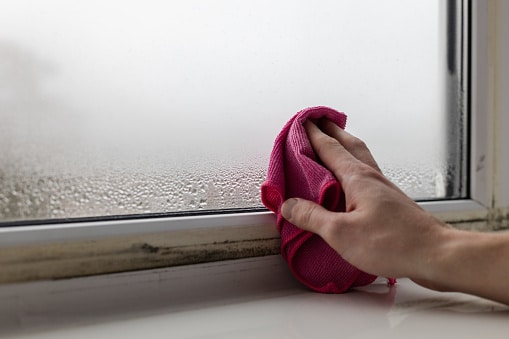
Mold thrives in dark or damp environments. Your bathroom, basement and kitchen are the most likely places you’ll find it growing, but it may also spring up around windowsills and other areas prone to condensation.
Why Does Mold Trigger Allergies?
Molds produce spores—tiny cells that help molds spread. Similar to the way that pollen helps flowers grow in different places, mold spores can cause “pollination” throughout your home. If your immune system overreacts to the spores, it releases a chemical called histamine, which triggers your allergy symptoms. Symptoms may include:
- Itchy or watery eyes
- Itchy throat
- Coughing
- Runny or stuffy nose
- Sneezing
- Wheezing
- Increased risk of asthma attacks
The severity of your symptoms will depend on the amount of mold and your degree of sensitivity.
How Can I Safely Remove Mold?
You need to be extra careful when removing mold if you have allergies. Before you start, put on a mask, gloves and goggles to protect against loose spores. Next, spray the affected area with undiluted white vinegar and let it sit for an hour. After the hour, wet a rag with vinegar and scrub the mold off the surface. Finish with a final spray of vinegar and let it air dry.
When Should I Consider Professional Removal?
You should consider professional mold removal or a mold inspection if any of the following apply to your situation:
- Your drywall or flooring feels damp, even if there is no visible mold
- Your home or a portion of it smells musty
- You have leaking or burst pipes
- Mold keeps coming back (this could indicate that the mold is deeper than surface-level)
- The mold covers a wide area
- Your allergies are severe enough to cause difficulty breathing or excessive eye, skin or throat irritation
Some molds contain mycotoxins, which are dangerous when inhaled. Having any repeated or widespread mold growth examined and removed by a professional will protect your health and relieve your allergy symptoms.
To learn more about managing mold allergies, contact Alpine Ear Nose & Throat PC today.